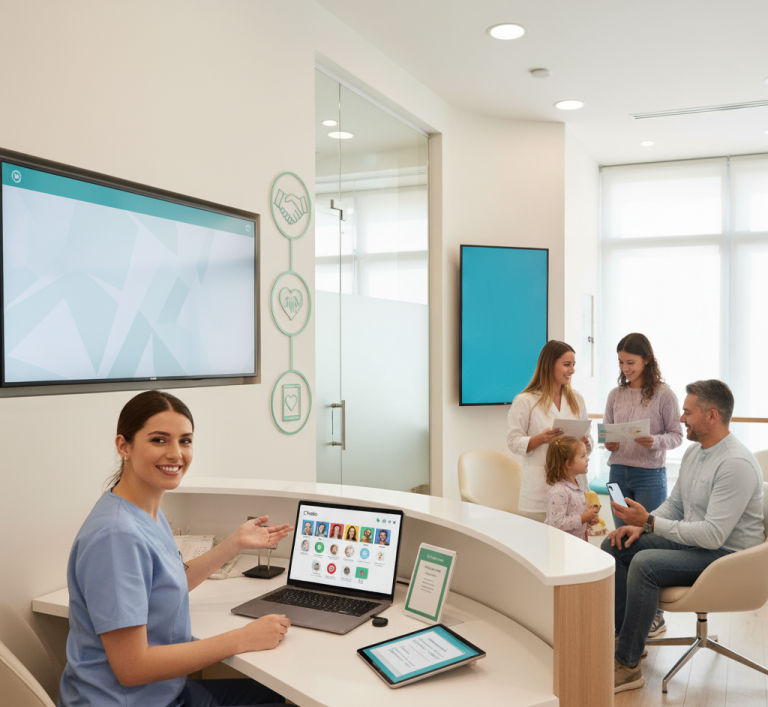


In today's fast-moving world of medicine, effective communication between doctors and patients is essential to ensure quality healthcare and the best outcomes for patients. Open, transparent communication can build trust, improve the patient's understanding and compliance and lead to better health outcomes.
However, communication between doctors and patients can often be hindered by a number of factors, including:
- Lack of time: Appointments are often short and rushed, leaving doctors little time to communicate fully with patients.
- Complexity of medical information: Medical information can be complex and hard for patients to understand, especially for those without medical training.
- Language barriers: When the doctor and the patient do not speak the same language, communication can be further compromised.
- Lack of familiarity with healthcare systems: Patients can feel confused or overwhelmed by complex healthcare systems, which makes it hard for them to explain their needs and concerns.
Practical tips for improving communication:
- Listen carefully: Take time to listen carefully to the patient's concerns and questions.
- Use plain language: Avoid medical jargon and explain information clearly and concisely.
- Encourage dialogue: Encourage the patient to ask questions and to voice doubts or concerns.
- Show empathy: Acknowledge the patient's feelings and show understanding.
- Involving the patient in decisions: Involve the patient in decisions about their treatment.
Useful technologies for improving communication:
- Patient portals: Give patients secure online access to their clinical records, test results and other health information.
- Secure messaging systems: Let doctors communicate securely and privately with their patients.
- Health education tools: Use videos, leaflets and other materials to inform patients about their conditions and their treatment options.
- Automatic translation features: Overcome language barriers by translating conversations instantly.
- Reminders and notifications: Send patients reminders about appointments, medication and other important aspects of their care.
Conclusion:
Effective communication between doctors and patients is essential to quality healthcare. By taking a patient-centred approach and using the technologies available, doctors can improve communication, build stronger relationships with patients and achieve better health outcomes.
Remember, communication works both ways. Patients too need to be active and take part in the process.
Start your free trial today
Want to try BeebeeBoard? The trial is free. No credit card required, and for 15 days you can explore everything BeebeeDoc can do.