
Communication in the medical practice: how to improve teamwork
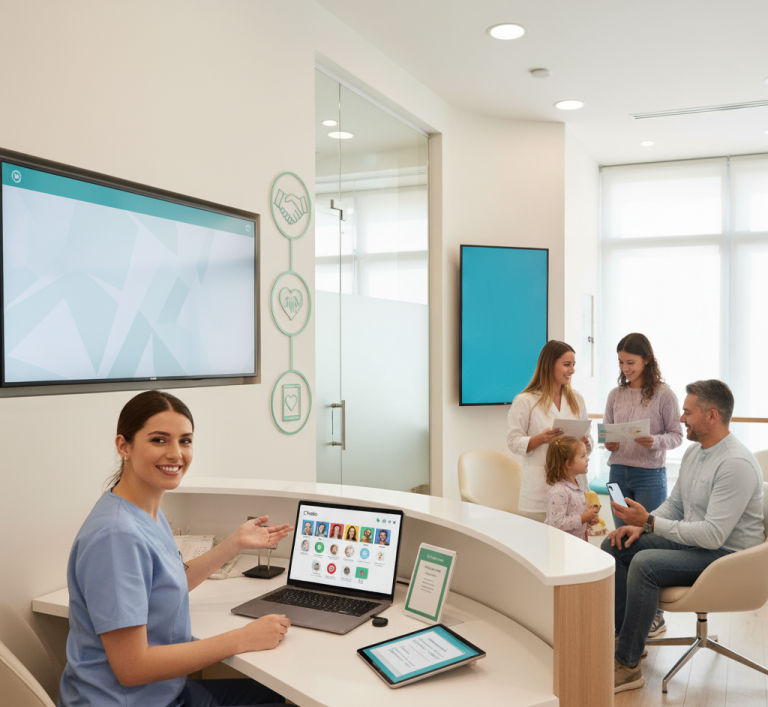
Communication in the medical practice is the foundation on which organisational efficiency and the quality of care are built. When doctors, nurses, administrative staff and reception staff do not communicate effectively, the results are clear: missed appointments, duplicated information, delayed medical reports and dissatisfied patients. In a modern medical practice, good communication is not optional but an operational necessity that improves continuity of care, reduces clinical errors and increases satisfaction for both staff and patients.
In this article you will discover how integrated digital solutions such as BeebeeDoc transform internal communication in the practice through a shared diary, a central clinical record, secure messaging and integrated telemedicine. All while ensuring GDPR compliance and the security of sensitive clinical data.
The problems with traditional communication in medical practices
Medical practices that still rely on traditional communication methods face significant challenges. Paper diaries, sticky notes scattered over desks and unrecorded phone calls create a chaotic, error-prone environment. A patient may turn up for an appointment without the specialist having received the test results from the GP. Important clinical information may be lost or misread as it passes from one health worker to another.
According to studies in the healthcare sector, 30-40% of diagnostic errors stem from insufficient communication between professionals. This not only compromises the quality of care but also increases the administrative workload, forcing staff to handle fragmented information and repeat checks already carried out.
Shared diary: real-time synchronisation for the medical team
A shared diary is the backbone of a well-organised medical practice. With a platform such as BeebeeDoc, doctors, nurses and specialists see the availability of rooms, equipment and colleagues at the same time. There are no more booking conflicts or dead time in clinical diaries.
The main benefits of a shared digital schedule include: seeing at the same time how busy the consulting rooms are, automatic synchronisation with online booking systems for patients, automatic reminders by SMS or email to reduce no-shows, integration with the invoicing system for an uninterrupted workflow, tracking of real appointment times to optimise future slots.
Shared clinical record: clinical information available to those who need it
La cloud clinical record a centralised one is the heart of modern clinical communication. When all the patient's data—history, tests, prescriptions, medical reports, imaging—lives in one secure place, communication between professionals becomes immediate and reliable. A cardiologist receiving a patient from their GP can instantly see the full clinical history, the blood pressure readings recorded in recent months and the current treatments.
With a shared, GDPR-compliant clinical record, team members can work without interruption, knowing that every piece of information is up to date, verified and protected by end-to-end encryption. The system automatically records who accesses what, creating a complete audit trail, essential for regulatory compliance and clinical accountability.
It makes team communication easier with shared clinical records
BeebeeDoc is the cloud medical practice management software that brings all clinical communication together on a single secure platform. Free 15-day trial, no card required.
Secure internal messaging: instant, tracked communication
A medical practice needs internal communication that is fast but also fully traceable and GDPR-compliant. Secure internal messaging built into the clinical record lets the team exchange clinically relevant information without resorting to unencrypted email or phone conversations that leave gaps in the record.
With BeebeeDoc, messaging is end-to-end encrypted, messages are filed automatically in the patient's record for traceability, users can receive instant notifications on mobile devices, the system records timestamps and senders for clinical accountability, and sensitive communications stay inside the GDPR-compliant platform with no risk of a breach.
Integrated telemedicine: collaboration beyond the walls of the waiting room
Telemedicine is no longer an exception but standard practice. When a specialist works remotely or when a patient receives a consultation from home, communication must be smooth and documented. The video consultation built into BeebeeDoc lets the doctor share the clinical record screen during the appointment, record notes automatically and prescribe medicines without paper.
The advantages of integrated telemedicine include: simultaneous access to the clinical record during the video call, automatic recording of visit notes in the patient's file, digital prescriptions generated instantly during the consultation, joining links sent automatically to the patient by email or SMS, GDPR compliance with end-to-end video encryption, shorter follow-up times and less paper documentation.
GDPR compliance and data security in medical communication
Effective communication in the medical practice must protect sensitive patient data with the utmost seriousness. The GDPR states that clinical data must be processed with encryption, access limited to those who need to know and a complete audit trail of every access. BeebeeDoc builds all this into its architecture: AES-256 encryption for all data in transit and at rest, two-factor authentication for every user, a detailed log of who accesses which information and when, and compliance with the ISO 27001 and SOC 2 Type II standards.
Internal medical communication is not a place to sacrifice privacy for convenience. With the right tools you can have both: smooth communication and impeccable data protection.
How to introduce digital communication in your practice
Moving from traditional methods to integrated digital medical communication takes a structured plan. First, audit the current inefficiencies: what information is regularly lost? How much time does the team spend looking for data? What errors come from poor communication? Second, choose a platform that covers all these aspects—diary, clinical record, messaging, telemedicine—in a single reliable, certified solution.
Third, train the team. Installing the software is not enough; doctors, nurses and administrative staff must understand how to use it to genuinely improve their workflow. BeebeeDoc offers online training sessions, detailed documentation and 24/7 support during the transition. Fourth, monitor the results: measure the time saved, the number of errors avoided, patient satisfaction and clinical efficiency indicators.
Case study: a medical practice transformed by integrated communication
A small medical practice with 5 doctors and 8 healthcare staff implemented BeebeeDoc and saw tangible results within 3 months. Patient no-shows fell by 25% thanks to automatic reminders. The average time to access medical reports dropped from 15 minutes to 2 minutes. Administrative staff recovered 10 hours a week previously spent looking for information and managing clashing diaries. Patient satisfaction rose because consultations were better coordinated and medical reports arrived more quickly.
This is possible because when communication flows without obstacles, the whole ecosystem of the medical practice works better.
FAQ: frequently asked questions about communication in medical practices
What is the main risk of poor communication in a medical practice? The most serious risk is clinical error. Missing or poorly communicated information can lead to wrong diagnoses, inappropriate prescriptions and a break in continuity of care. It also drastically increases administrative workloads.
How long does it take to set up an integrated communication system? With a platform like BeebeeDoc, implementation typically takes 2-4 weeks, including staff training. Some practices are up and running within 10 days if they already have the IT set-up in place.
Is GDPR compliance guaranteed? BeebeeDoc is certified GDPR compliant, with ISO 27001 and SOC 2 Type II certifications. However, the practice is responsible for configuring access roles correctly and for maintaining security best practice.
Can I integrate BeebeeDoc with other medical software we already use? Yes. BeebeeDoc offers open APIs and supports standards such as HL7 and FHIR for interoperability with laboratory, imaging and electronic prescription systems.
Conclusion: medical practice communication as a competitive advantage
In an increasingly competitive healthcare landscape, medical practices that invest in integrated, secure internal communication gain significant advantages: better quality of care, more satisfied patients, more productive staff and guaranteed regulatory compliance. BeebeeDoc offers all of this in an intuitive, certified cloud platform, removing the information silos that still mark out many traditional practices.
If you want to transform the way your medical practice communicates and see how a shared schedule, a centralised clinical record and secure messaging can improve the way you work, try BeebeeDoc free for 15 days. No credit card required. The support team is available to guide you every step of the way.
Start your free trial today
Want to try BeebeeBoard? The trial is free. No credit card required, and for 15 days you can explore everything BeebeeDoc can do.